2026-03-31
The Bastides of Provence
A symbol of Provençal architectural heritage, the bastide embodies a unique way of life between town and countryside. Discover the history, the characteristics and the timeless charm of these exceptional residences.
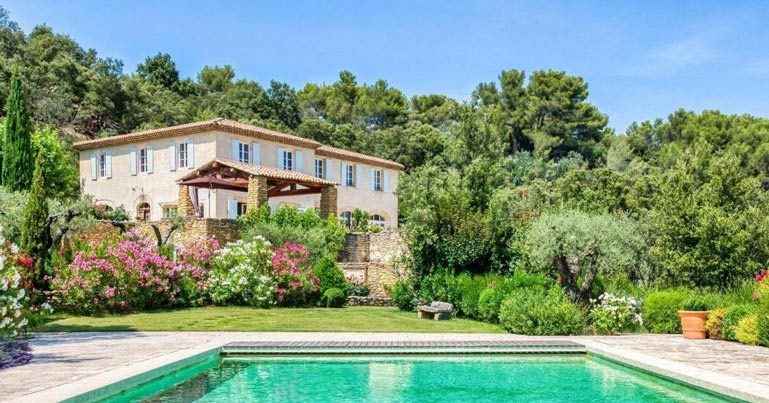
What is a Provençal bastide?
A bastide refers to a prestigious summer residence, somewhere between a château and a townhouse, intended for the aristocracy or the bourgeoisie, adorned with gardens and allowing for agricultural use. Bastides first appeared in Provence in the early sixteenth century and developed further throughout the seventeenth and eighteenth centuries.
At that time, every town in Provence became surrounded by bastides. They welcomed wealthy families who came both to escape the heat during the summer months and to oversee the running of their agricultural land.
Bastides are houses full of character, built of exposed stone, opening onto beautiful tree-lined gardens, which reflected the wealth of their owners. Elegance, refinement and harmony are the hallmarks of these residences.
How to recognise a Provençal bastide
Unlike Provençal mas, whose layout is often irregular, a bastide draws on seventeenth-century architecture and favours symmetry. Here are some of its architectural characteristics:
- It is built on a small rise, such as the top of a hill, so that it overlooks the surrounding countryside.
- Its architectural base is a square topped with a four-sided roof.
- It has a garden level and two further storeys accessed by a staircase.
- It is built from stone, plaster and terracotta, with very little wood. The stone is always concealed beneath an ochre-coloured render, as exposed stone was considered a sign of poverty in the eighteenth century.
- The bastide has a symmetrical façade, arranged around several openings (always in an odd number) surrounding a central front door, itself topped with a wrought-iron balcony.
- The rooms are generous in size, with ceilings around three metres high.
- A shaded esplanade leads to the entrance of the bastide.
The traditional bastide represents a fine balance between the building and its grounds. This may take the form of a French formal garden or a box-hedge garden with fine statues, covering a minimum of 5,000 m² and sometimes extending to a hectare or more. Bastides also feature a room dedicated to leisurely relaxation: the Radassière.
Provençal bastides: places steeped in history
Between the Alps and the Mediterranean, Provence is a region rich in natural and cultural treasures. With its Mediterranean climate and 300 days of sunshine a year, it is one of the most visited regions in France and also a highly sought-after area for buyers of exceptional properties.
A number of beautiful bastides remain across the region. Most are now privately owned. Some open their doors or their gardens for organised visits during the European Heritage Days. Visitors can then discover charming interiors, their history and sometimes their small chapel, their grounds, and even round off the visit with a stroll through the vineyards.
Buying a Provençal bastide
Competition to acquire a Provençal bastide has become fierce, just as it has for the châteaux of Provence, houses on golf courses, or the townhouses of Aix-en-Provence. Supply has become very limited for these traditional residences, which reflect a unique way of life. Provence also charms both lovers of beautiful countryside landscapes and those who admire the splendour of the coastline. For a charming eighteenth-century bastide in a sought-after setting, expect to pay between three and five million euros on average.